
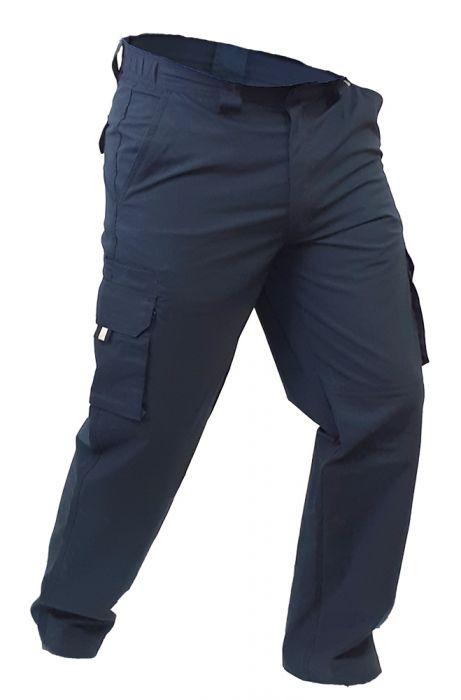
In today’s dynamic work environment, what employees wear says as much about a company as it does about the individual. Uniforms and work-specific apparel aren’t just about function—they play a significant role in establishing brand image, enhancing team unity, and creating a sense of professionalism. For industries where safety, comfort, and durability are key, practical choices like 100 cotton cargo pants offer a seamless blend of comfort and functionality while reinforcing workplace identity.
Uniformity in dress not only helps distinguish employees from visitors or customers but also builds trust and credibility. A consistent dress code reflects the values and standards of an organization. For example, a technician arriving in well-fitted, clean workwear signals attention to detail and reliability. Apparel choices often align with the company’s branding—colours, logos, and styles are selected to reflect the ethos of the organization. This level of intentional design helps in developing a cohesive and professional work culture.
When employees wear apparel suited to their job roles, they tend to perform better. Garments that provide ease of movement, protection from the elements, and safety features make daily tasks more manageable. Take elastic waist cargo shorts for example. These shorts are designed for flexibility and convenience, making them ideal for physically demanding roles in warmer environments. With their multiple pockets and adjustable waistbands, they allow workers to carry tools easily and move freely, boosting productivity without sacrificing comfort.
Moreover, employee clothing can become a strong element of internal identity. A sense of belonging and team spirit often emerges when everyone wears coordinated apparel. This psychological impact should not be underestimated. Employees are more likely to feel aligned with company goals when they see their uniforms as part of a bigger mission. It’s about more than just fabric—it’s about how that fabric connects individuals to a shared purpose.
Workplace apparel also contributes to safety and compliance. High-visibility jackets, reinforced trousers, or flame-resistant materials are often required in industrial and construction settings. In such environments, choosing the right garments is not only a branding decision but a legal necessity. Here, items like 100 cotton cargo pants offer breathability and durability, making them a preferred choice for sectors where both comfort and resilience matter.
Sustainable and functional workwear is also gaining importance. Businesses are increasingly looking for apparel that’s not just effective but also environmentally conscious. Options made from natural fibers or recyclable materials are helping companies reduce their environmental footprint. While style is still relevant, today’s workwear is judged on its practical advantages and impact on employee performance.
In retail, hospitality, and customer-facing roles, apparel is a direct representation of the business. When team members look neat and professional, it positively influences customer perception. Meanwhile, in roles involving physical labor, the emphasis shifts to durability and mobility. Elastic waist cargo shorts strike a balance between these needs, offering a polished look that doesn’t compromise on functionality.
In conclusion, the right work apparel serves many purposes—it provides safety, promotes team unity, enhances brand identity, and even boosts morale. For businesses in New Zealand seeking quality, functionality, and style in their workplace clothing, Kiwi Business Products offers a comprehensive selection tailored to a variety of industries. From durable work pants to flexible shorts, their apparel solutions help businesses outfit their teams for both comfort and success.